The question of whether the Anglo-Saxons invaded Britain in the 5th and 6th centuries is one of the most debated topics in early British history. Archaeological and linguistic evidence suggests a significant migration of Germanic-speaking peoples from modern-day Denmark, Germany, and the Netherlands, reshaping the cultural and political landscape of post-Roman Britain. While the term "invasion" implies a sudden, violent takeover, historical records and modern scholarship often describe a more complex process of settlement, integration, and cultural exchange.
What the Evidence Shows
The traditional narrative, supported by sources like the Anglo-Saxon Chronicle, describes a series of invasions led by figures such as Hengist and Horsa in the mid-5th century. However, archaeological findings paint a more nuanced picture. Burial sites, such as those in East Anglia and Kent, reveal Germanic-style artifacts alongside local British influences, indicating a gradual blending of cultures rather than a clean break. The presence of Germanic pottery, brooches, and weaponry in these regions aligns with a migration pattern, but the extent of displacement of the native Brittonic-speaking population remains unclear.
Language and Place Names as Clues
One of the strongest indicators of Anglo-Saxon influence is the English language itself. Old English, the precursor to modern English, is a West Germanic language that diverged significantly from the Celtic and Latin-based languages spoken in Roman Britain. Place names ending in "-ton" (farmstead), "-ham" (homestead), and "-ford" (river crossing) are predominantly found in areas with high Anglo-Saxon settlement density, such as the Midlands and East Anglia. This linguistic footprint suggests a substantial demographic shift in these regions, though it does not necessarily confirm a violent conquest.
Archaeological Debates and Regional Variations
Not all parts of Britain experienced the same level of Anglo-Saxon influence. In the west and north, such as in Wales and Scotland, Celtic languages and traditions persisted with minimal Germanic impact. Meanwhile, in the east and south, where the Anglo-Saxon presence was strongest, the cultural shift was more pronounced. Excavations at sites like  reveal planned settlements with distinct Germanic architectural styles, including sunken-featured buildings (grubenhäuser) used for both domestic and craft purposes.
Cultural Integration or Displacement?
The degree to which the native British population was displaced or assimilated remains a point of contention. Some historians argue that the Anglo-Saxons formed an elite class that gradually absorbed or marginalized the existing Brittonic population, while others suggest a more cooperative coexistence. The lack of contemporary British written sources from this period complicates the narrative, leaving gaps that archaeology and later medieval texts attempt to fill. For example, the Historia Brittonum, attributed to Nennius, describes battles between Britons and Saxons, but its reliability as a historical source is often questioned.
Implications for Modern Identity
The legacy of the Anglo-Saxon migration extends beyond historical curiosity. It shapes modern English identity, legal systems, and even genetic ancestry. Genetic studies, such as those analyzing Y-chromosome markers, indicate a significant but not overwhelming Anglo-Saxon genetic contribution to the modern English population. This suggests a complex interplay of migration, intermarriage, and cultural assimilation rather than a wholesale replacement of the native population. The debate also intersects with contemporary discussions about migration and identity, making it a topic of interest beyond academic circles.
Why the Debate Matters
Understanding whether the Anglo-Saxons "invaded" Britain is more than an academic exercise—it informs our view of early medieval Britain and the foundations of modern England. If the process was primarily one of migration and cultural exchange, it challenges the traditional narrative of conquest and resistance. Conversely, if evidence of conflict and displacement is stronger than currently acknowledged, it reshapes our understanding of post-Roman Britain as a period of upheaval. The answer likely lies in a combination of both, with regional variations and a timeline that stretched over decades rather than a single event.
For those exploring early British history, the Anglo-Saxon migration offers a case study in how cultures interact, adapt, and evolve. Whether viewed as an invasion, a migration, or a gradual transformation, its impact on Britain’s linguistic, genetic, and cultural heritage is undeniable. The ongoing research in archaeology and genetics continues to refine our understanding, ensuring that this debate remains as dynamic as the period itself.
Pulmonary Edema Chest X Ray - Wikidoc

pulmonary edema chest ray bat wing heart sign alveolar imaging opacities oedema pattern wings bilateral org radiograph radiopaedia or mediastinum
Abnormal Chest Xray Ppt
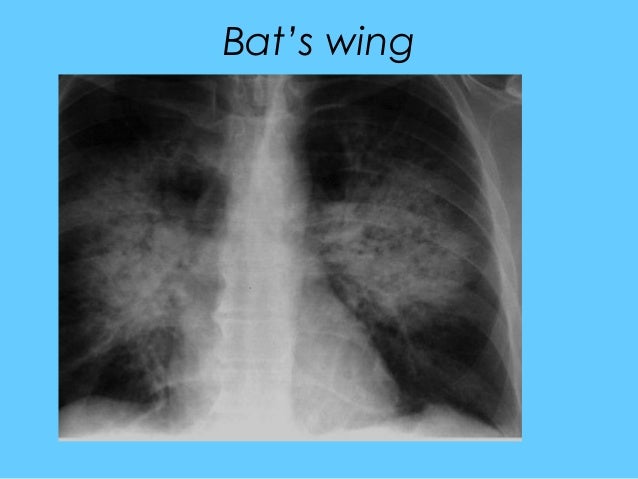
chest xray abnormal bat alveolar proteinosis pneumonia acute
Cxr

cxr batwing
Chest Medicine Made Easy-Dr Deepu: Bat Wing Sign
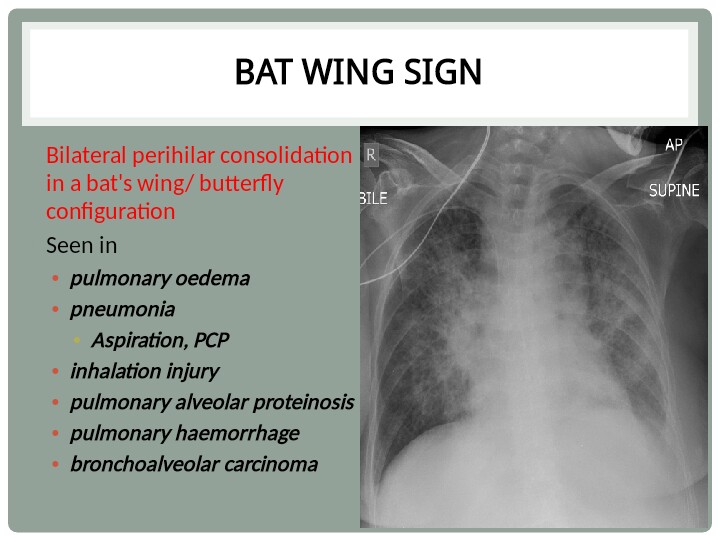
chest ray bat wing sign signs radiology string dr medicine deepu easy made public arun mangalore kmc