Trimble is a global technology company with a footprint that spans industries from construction and agriculture to transportation and geospatial services. With operations in over 40 countries and a workforce of more than 12,000 employees, its scale reflects a blend of specialized software, hardware, and data solutions that serve professionals who need precision and reliability. But how big is Trimble in terms of revenue, market presence, and technological influence? The answer isn’t just about size—it’s about how its tools integrate into critical workflows worldwide.
Revenue and Financial Footprint
Trimble’s annual revenue consistently hovers around $4 billion, placing it among the mid-tier players in the enterprise software and hardware sector. While it doesn’t rival giants like SAP or Oracle in total revenue, its focus on niche industries gives it a distinct advantage. The company’s financial strength lies in its diversified portfolio, which includes everything from GPS-guided farming equipment to 3D modeling software for construction sites. This diversification helps cushion it against downturns in any single market.
For context, Trimble’s revenue is roughly comparable to that of Autodesk, another key player in design and engineering software. However, Trimble’s reach extends further into real-world applications—think surveying drones, augmented reality tools for field workers, and even fleet management systems. These aren’t just abstract software products; they’re tools that directly impact how industries operate on a daily basis.
Global Presence and Industry Reach
With a presence in over 40 countries, Trimble operates through a mix of direct sales, partnerships, and localized support teams. Its largest markets are North America and Europe, but it has made significant inroads in Asia and Australia, particularly in agriculture and construction. For example, its precision agriculture solutions are widely used in the U.S. Midwest and parts of Europe, where farmers rely on Trimble’s GPS systems to optimize planting and harvesting.
In construction, Trimble’s software and hardware—like its robotic total stations and Building Information Modeling (BIM) tools—are staples on job sites. The company’s acquisition of SketchUp in 2006 further cemented its role in the design and architecture space, giving professionals a platform to create, iterate, and collaborate on 3D models.
Technology and Integration: Strengths and Trade-offs
One of Trimble’s biggest strengths is its ability to integrate hardware, software, and data into cohesive workflows. For instance, a construction crew might use a Trimble GPS device to survey a site, then feed that data into its modeling software to plan the project. This end-to-end approach reduces errors and saves time, which is why it’s favored in industries where precision is non-negotiable.
However, this integration comes with trade-offs. Trimble’s ecosystem can be complex, requiring training and sometimes customization to fit specific workflows. Smaller businesses may find the upfront costs of Trimble’s hardware and software prohibitive, especially when competing solutions offer simpler, more affordable alternatives. Additionally, while Trimble excels in established industries like construction and agriculture, its presence in emerging tech sectors like AI-driven analytics is still evolving.
Realistic Expectations for Users and Investors
For professionals considering Trimble’s tools, the key question isn’t just “How big is Trimble?” but “How well does it fit my needs?” The company’s size and scale mean robust support and a deep bench of industry-specific solutions, but it also means a steeper learning curve and potentially higher costs. If you’re in a field where precision and reliability are critical—like surveying, heavy civil construction, or large-scale farming—Trimble’s offerings are likely worth the investment.
Investors, on the other hand, should view Trimble as a stable but not explosive growth play. Its revenue growth is steady rather than meteoric, and its stock performance reflects that. The company’s strength lies in its ability to adapt to industry trends, such as the rise of digital twins in construction or the increasing use of drones in agriculture. For those seeking high-growth tech stocks, Trimble may not be the first choice, but for those looking for a reliable, long-term player in industrial tech, it’s a solid option.
What’s Next for Trimble?
Looking ahead, Trimble is likely to continue expanding its footprint in areas like autonomous vehicles, smart cities, and sustainability-focused agriculture. The company has already made strides in using AI to improve crop yields and reduce waste, and its work in digital construction tools aligns with the growing demand for sustainable building practices. However, its ability to innovate will depend on balancing its traditional strengths with the need to stay ahead in a rapidly evolving tech landscape.
For now, Trimble remains a behind-the-scenes powerhouse—one that enables industries to work smarter, faster, and with greater accuracy. Its size isn’t just about numbers; it’s about the tangible impact it has on the world’s infrastructure, food supply, and urban development. Whether you’re a farmer, engineer, or investor, understanding Trimble’s role means recognizing that its scale is measured not just in revenue, but in the real-world systems it helps build and maintain.
Militair Materieel Onderweg Naar Litouwen - RTV Drenthe
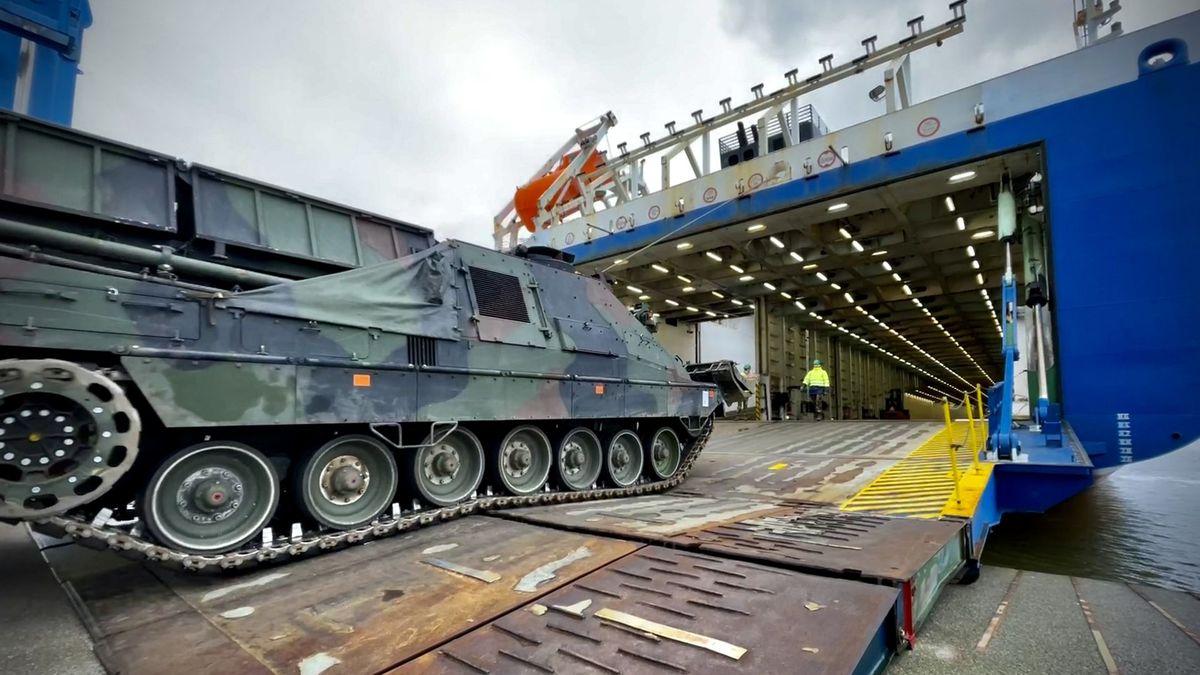
Militair materieel onderweg naar Litouwen - RTV Drenthe