Diamonds aren’t just shiny rocks—they’re investments, heirlooms, or status symbols, but their worth isn’t set in stone. A diamond’s value depends on more than just its carat weight or sparkle; market trends, certification, and even where you buy or sell it can swing its price by thousands. Whether you’re curious about a family heirloom, a recent purchase, or just the basics, understanding what truly drives a diamond’s value is the first step to making smart decisions.
Beyond the Glitter: What Actually Determines a Diamond’s Worth?
Most people assume a diamond’s value is tied to its size or brand, but jewelers and appraisers know the real story starts with the 4 Cs: cut, color, clarity, and carat weight. These factors explain why two diamonds of the same carat can differ by tens of thousands of dollars. For example, a flawless round brilliant cut with near-colorless grading might fetch $10,000 per carat, while a similar stone with inclusions or a less precise cut could drop to $3,000. The cut alone can account for up to 50% of a diamond’s value—more than its weight.
Yet even the 4 Cs aren’t the whole picture. A diamond’s certification (like from the Gemological Institute of America or AGS) adds credibility, while its origin—natural, lab-grown, or recycled—can shift perceptions. Lab-grown diamonds, for instance, now make up over 15% of the market and often cost 60–80% less than mined diamonds of comparable quality. The trade-off? Some buyers prioritize ethical sourcing, while others focus on savings.
---The Hidden Costs of Buying (and Selling) Diamonds
Diamonds aren’t liquid assets. Resale values typically plummet after the first owner—studies show most lose 30–50% of their purchase price when sold privately. This is why certified appraisals are critical before buying or selling. A quick online valuation tool might suggest your diamond is worth $5,000, but a professional appraisal could reveal it’s actually $3,200—leaving you with less than expected.
Another overlooked factor is market demand. Solitaire rings sell faster than vintage designs, and colored diamonds (like blue or pink) can spike in value if a new trend emerges. For example, the 2023 surge in fancy vivid pink diamonds saw prices rise 20% in six months. If you’re holding onto a diamond for future sales, timing matters—just as it does with stocks.
---When to Treat a Diamond as an Investment vs. a Sentimental Purchase
Diamonds aren’t like bonds or real estate—they don’t appreciate steadily. Historically, their value has grown at about 2–4% annually, far below inflation-adjusted returns from other assets. So unless you’re buying a rare, certified stone (like a 10-carat flawless diamond), it’s better to think of it as a lifestyle purchase than an investment.
That said, there are exceptions. Antique or historical diamonds (with provenance dating back decades) can appreciate if they’re part of a collectible line. For instance, a 1920s Cartier ring might hold value as a vintage piece, even if the diamond itself isn’t exceptional. The key is documentation—receipts, appraisals, and pedigree reports can turn a "just a diamond" into a marketable asset.
---Pro Tips for Buyers and Sellers
**For buyers:** If you’re shopping for a diamond, prioritize certification first. Avoid "diamond-like" stones (moissanite or cubic zirconia) unless you’re okay with lower durability. And remember: markups are real. Retailers often charge 3–5 times the wholesale price for "designer" diamonds. Compare prices across jewelers—even within the same city—to avoid overpaying.
**For sellers:** Don’t list your diamond on a generic marketplace. Instead, contact specialized jewelers who offer appraisals and buyback programs. Some high-end dealers (like Blue Nile or James Allen) will give you a fairer quote than a pawn shop. And if your diamond is over 1 carat, consider selling it wholesale to a diamond merchant—they’ll pay more than a private buyer would.
---Diamonds are timeless, but their value isn’t. Whether you’re weighing a purchase, planning a sale, or just curious, knowing the real drivers of worth—from the 4 Cs to market whims—helps you avoid costly surprises. The next time someone asks, "How much is my diamond worth?" you’ll have the answer they can trust.
PPT - 3. Le Trasformazioni Termodinamiche PowerPoint Presentation - ID
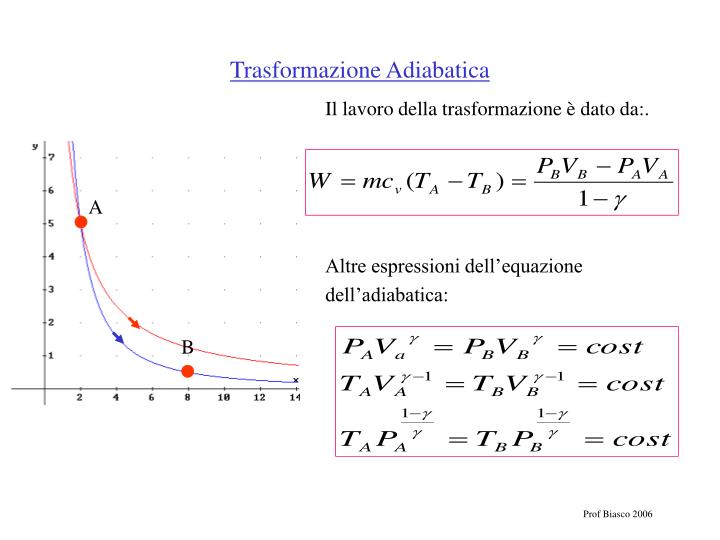
PPT - 3. Le Trasformazioni Termodinamiche PowerPoint Presentation - ID ...