In 1978 Sheikh Hasina was a 31‑year‑old political figure navigating a turbulent Bangladesh still reeling from the 1975 coups. Though she would not become prime minister until 1996, her activities that year—especially her role in the Awami League’s re‑organisation and her early advocacy for democratic restoration—set the stage for the leadership style she displays today.
Historical Context: Bangladesh in 1978 and Hasina’s Position
The late 1970s were marked by a fragile civilian government under President Ziaur Rahman, who was consolidating power after the assassination of Sheikh Mujibur Rahman, Hasina’s father. Within this environment, Hasina, then a young mother, faced both political marginalisation and personal risk. She operated mostly from exile in India, coordinating with Awami League cadres and maintaining the party’s ideological continuity.

The image above, while depicting a different struggle, captures the sense of navigating obstacles—a fitting visual metaphor for a 31‑year‑old Hasina confronting political exile and a hostile domestic climate.
Political Activity at 31: Pros and Trade‑offs of Early Leadership
- Pros: Hasina’s youth gave her a flexible mindset, enabling her to forge alliances across party lines and to appeal to a generation yearning for stability.
- Trade‑offs: Limited seniority meant she lacked the gravitas to challenge Zia’s regime directly, forcing her to adopt a low‑profile, behind‑the‑scenes strategy.
- Realistic expectations: At 31, she could not claim immediate electoral victories; instead, her realistic aim was preserving the Awami League’s organizational structure for future contests.
These dynamics illustrate how a young leader balances ambition with the constraints of an authoritarian context—a balance that resurfaces in Hasina’s later tenure, where early caution translates into a pragmatic, often incremental approach to governance.
What the 1978 Era Means for Today’s Expectations
Understanding Hasina’s age and status in 1978 helps researchers gauge the evolution of her political calculus. The early exposure to exile politics cultivated a deep appreciation for international diplomacy, evident in her current emphasis on regional cooperation with India and the broader South Asian community.
Conversely, the trade‑offs she faced—particularly the need to moderate radical demands to keep the party afloat—have left an imprint on her governance style. Critics note that this legacy sometimes manifests as cautious reform rather than bold, systemic change.
- For scholars, the 1978 period offers a case study in how early‑career adversity can shape long‑term leadership resilience.
- Policy analysts can trace current foreign‑policy choices back to the diplomatic networks she nurtured while abroad as a 31‑year‑old.
- Voters and activists should temper expectations, recognizing that Hasina’s pragmatic roots often prioritize stability over rapid transformation.
Takeaway for Researchers
When assessing Sheikh Hasina’s present policies, consider the formative influence of her 1978 circumstances. The pros of youthful adaptability, the trade‑offs of limited authority, and the realistic expectations set during that year continue to echo in Bangladesh’s political landscape. A nuanced view that links her age‑specific experience to current decision‑making offers a richer, more accurate analysis than a surface‑level biography.
Lo Stupore Del Giovane Crocierista. E’ Un Calvario Girare In Carrozzina
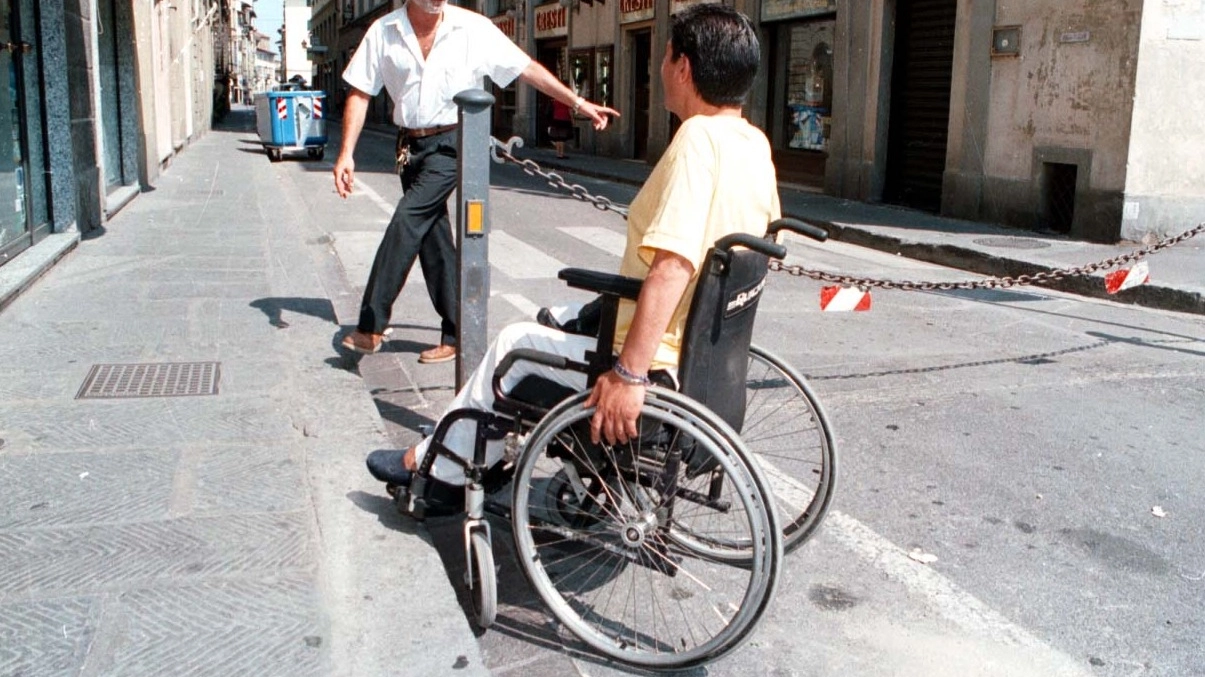
Lo stupore del giovane crocierista. E’ un calvario girare in carrozzina