Fethiye’s turquoise coastline, ancient ruins, and rugged mountains make it a year‑round magnet for Turkish residents seeking a quick escape without crossing borders. From sunrise at Ölüdeniz to the hidden caves of Saklıkent, the region blends natural drama with easy access, offering a practical yet inspiring itinerary for everyday travelers.
Why Fethiye Beats the Typical Day‑Trip
Unlike crowded urban parks, Fethiye delivers a variety of micro‑experiences within a 30‑minute drive of the town center. The climate stays mild, with sea temperatures hovering around 22 °C in spring and 27 °C in summer, so most activities are viable from March through October. Public ferries, budget‑friendly dolmuş routes, and well‑marked bike lanes keep transport costs low, while a modest nightly budget of 150‑200 TL covers meals, modest lodging, and a few souvenir stalls.
Top Ten Places to Visit (and How to Make Them Work for You)
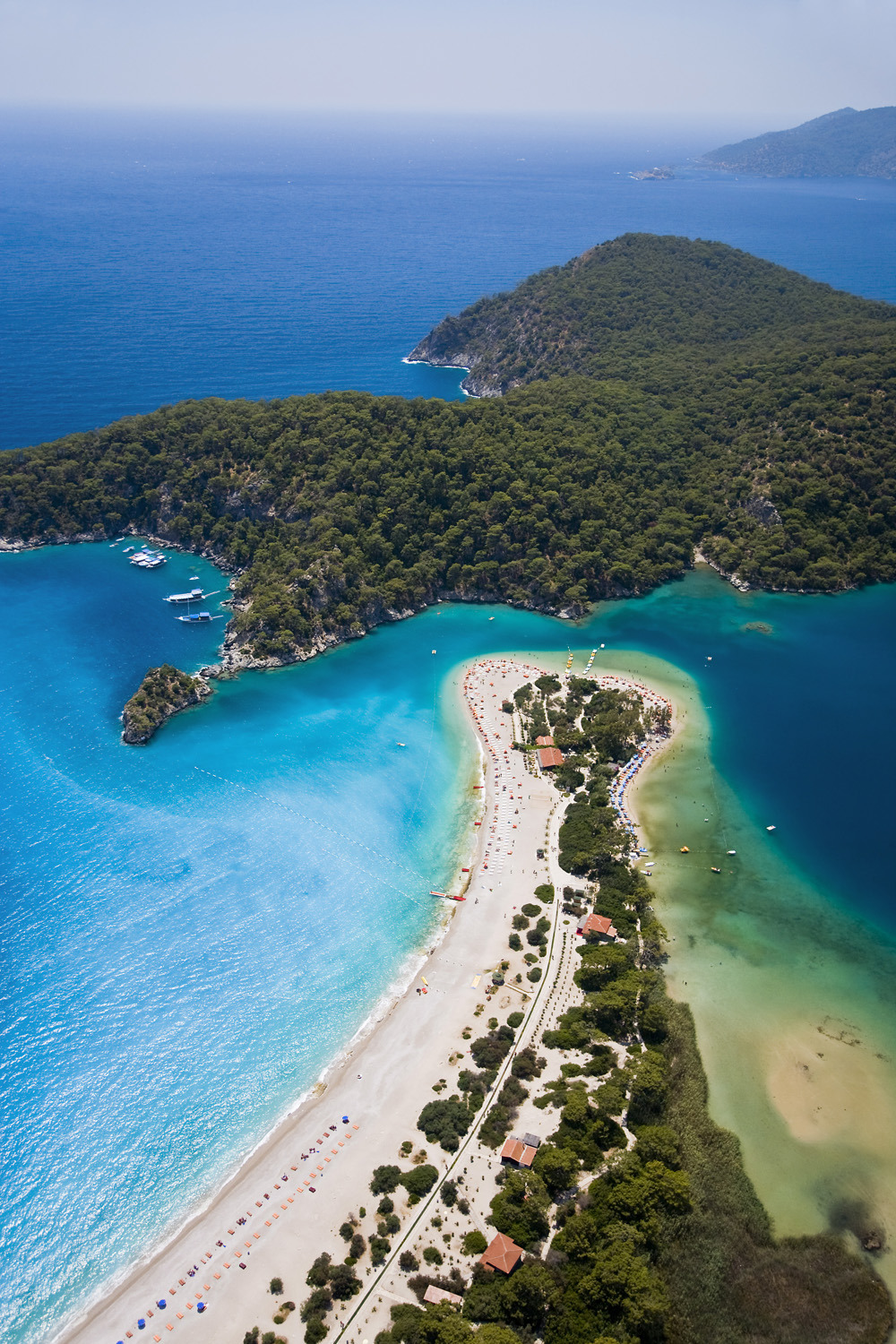
- Ölüdeniz Beach – The iconic blue lagoon offers safe swimming and windsurf lessons; arrive early to avoid the midday rush.
- Lycian Way Segment (Fethiye‑Kayaköy) – A 7 km stretch with gentle elevation; perfect for a half‑day hike that rewards hikers with panoramic sea views.
- Saklıkent Gorge – Cool water runs through the canyon; bring water shoes and a light jacket for the occasional mist.
- Kayaköy Ghost Town – Wander abandoned stone houses; the site is free, but a guided tour adds context about the 1923 population exchange.
- Butterfly Valley (Kelebekler Vadisi) – Accessible by boat; limit visits to weekday mornings for fewer crowds and better chances of spotting rare orange‑tailed butterflies.
- Fethiye Market (Saturday) – Fresh produce, regional cheeses, and handmade textiles; practice basic Turkish phrases to snag better deals.
- Tlos Ruins – Less tourist‑y than Patara, with well‑preserved rock‑cut tombs; bring a hat for sun protection.
- Fethiye Marina – Ideal for a sunset coffee; the promenade hosts occasional live music events that stay low‑key.
- Çalış Beach – A family‑friendly stretch with shallow waters; local vendors sell grilled fish at modest prices.
- Oludeniz Paragliding Launch – For the adventurous, a 30‑minute tandem flight offers aerial views comparable to a starfield light particle fuse igniting over the horizon.
Balancing Pros and Trade‑offs
Fethiye’s strengths lie in its diversity and affordability. However, peak summer weekends can swell beach crowds, and parking near Ölüdeniz may fill up by 10 a.m. To mitigate, consider a weekday visit or use the regular dolmuş service that drops off at the beach entrance. Weather can be unpredictable in early spring; a sudden rain shower may close the gorge trails, so keep a flexible schedule.
Practical Notes for the Everyday Traveler
- Carry a reusable water bottle; refill stations are common in parks and cafés.
- Purchase a single‑journey ferry ticket from Fethiye to Göcek for a scenic shortcut to the butterfly valley.
- Pack a lightweight rain jacket; the microclimate near the gorge can shift quickly.
- Use a local SIM or free Wi‑Fi at cafés to check real‑time bus departures.
- Reserve budget hostels or guesthouses at least a week ahead during school holidays.
What to Expect When You Arrive
First‑time visitors often overestimate the time needed to see everything. A realistic itinerary reserves two full days: one for coastal highlights (Ölüdeniz, paragliding, Çalış Beach) and another for inland attractions (Lycian Way, Kayaköy, Tlos). This pacing prevents fatigue and leaves room for spontaneous detours, like a seaside fish grill discovered while strolling the marina.
Overall, Fethiye offers a balanced mix of relaxation and adventure that aligns with the expectations of local residents looking for a weekend recharge. By planning around peak times, leveraging public transport, and embracing the region’s seasonal rhythm, everyday users can enjoy a rich, low‑stress experience without the hype of a far‑flung destination.