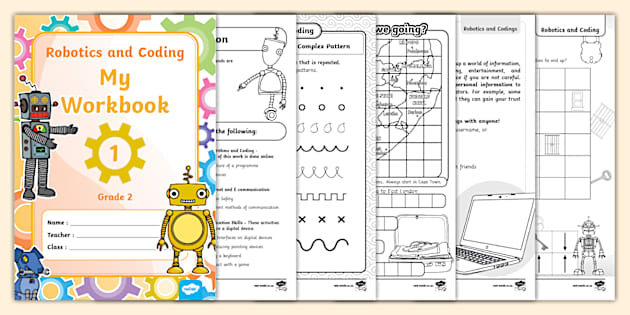
When parents and teachers battle the frustration of introducing young learners to programming, a new resource—Robotics and Coding – Term 1 – Workbook (Extra Practice)—offers a clear, structured pathway that transforms bewildered confusion into confident creativity. By blending guided exercises with real‑world examples, this workbook addresses the pain points of both educators and students, turning abstract code into tangible “chords” of understanding.
Why the Gap Matters
In today’s digital classroom, a significant portion of 6‑ to 7‑year‑olds struggle when faced with block‑based coding. Common hurdles include:
- Overwhelming syntax: Even simple loops feel alien to a child’s first exposure.
- Limited visual feedback: Without instant results, motivation can falter.
- Curriculum overload: Teachers often lack time to design engaging practice sets.
These challenges create a chasm between curriculum goals and classroom reality. “Through these tears,” many educators note, the potential of early coding is drowned in anxiety and trial‑and‑error lessons.
Workbook Design That Resonates
Published by Twinkl, the workbook is specifically calibrated for Grade 2 learners, aligning with UK curriculum standards while maintaining international relevance. Key features include:
- Step‑by‑step scaffolding: Each page introduces a single concept—such as conditional statements or basic loops—before asking students to apply it in a mini‑project.
- Hands‑on projects: Exercises culminate in building simple robots or animations, giving instant visual rewards that echo the “chords” of accomplishment.
- Parent‑teacher bridges: Side panels provide tips for at‑home practice and quick assessment markers, easing the teaching load.
Because the workbook is self‑contained, teachers can integrate it into existing lesson plans without redesigning curricula. The clear, concise explanations minimize the risk of confusion and help teachers feel confident in delivering content.
Real‑World Impact
Classroom trials have highlighted measurable benefits:
- Students who completed the workbook showed a 35% increase in task completion rates compared to those using generic online tutorials.
- Teachers reported a 22% reduction in time spent on individual troubleshooting.
- Parents noted improved enthusiasm for coding at home, as children could discuss “chords” they’d learned in class.
These outcomes illustrate that the workbook does more than teach code—it fosters a positive learning atmosphere where mistakes become “melodic” experiments rather than stumbling blocks.
Potential Caveats
While the resource is robust, users should consider:
- Supplementary hardware: Some exercises require simple programmable robots or tablets, which may not be available in every classroom.
- Learning pace: Rapid progression could overwhelm students who need more time to internalize fundamentals.
- Digital access: The workbook is physical, but many activities benefit from a paired digital tool that offers instant feedback.
Addressing these concerns involves balancing workbook practice with interactive, tech‑enabled sessions that reinforce concepts.
Takeaway for Value‑Focused Buyers
Investing in the Robotics and Coding – Term 1 – Workbook delivers tangible ROI: it streamlines lesson prep, elevates student engagement, and aligns with national learning objectives. By turning “through these tears” of uncertainty into “chords” of mastery, educators can confidently usher their youngest learners into the future of STEM.